

Blog
Sledgehammer Handles Compared: Which Material Should You Choose?

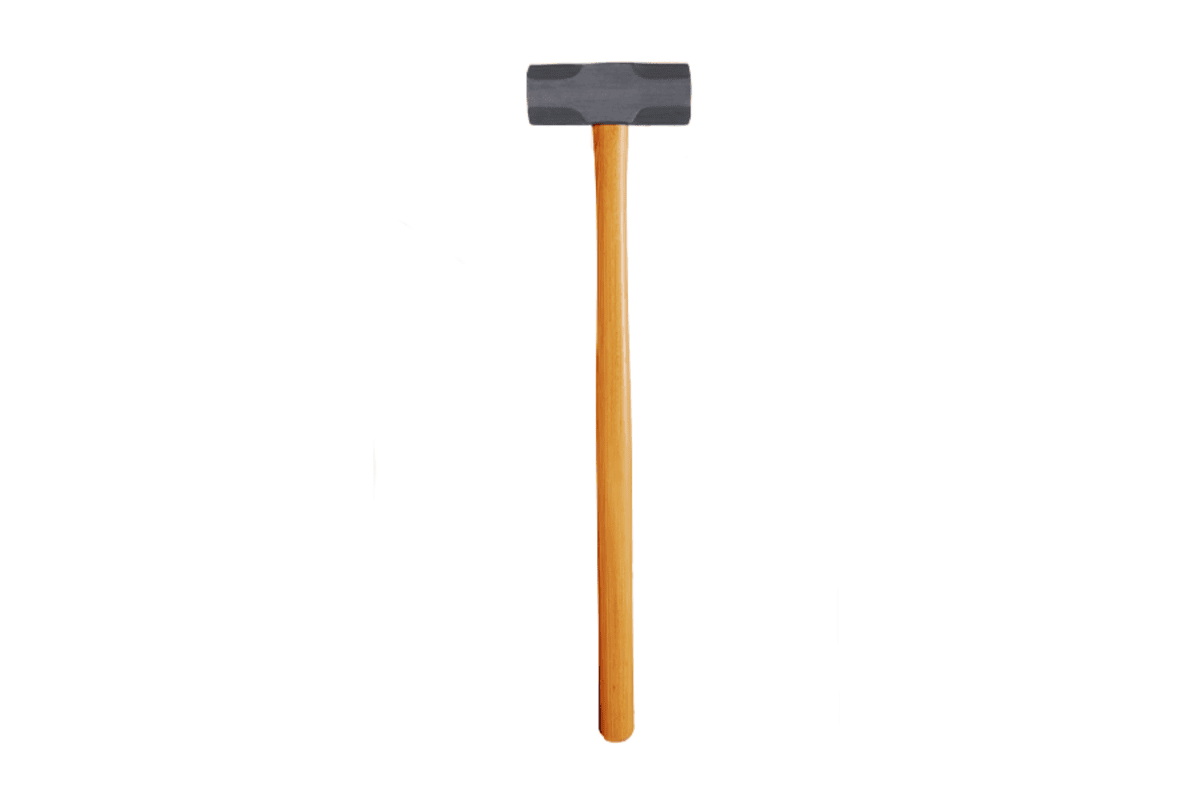
When most of us picture a sledgehammer, our mind probably immediately imagines that big, hefty chunk of steel. We all obsess over the weight - 8 pounds, 10, maybe even 12? But here’s the truth from someone who’s swung more than a few: the handle is what really makes or breaks the experience.
That handle is your connection to the force, and your control. Pick the wrong sledgehammer, and you’ll regret it fast. Choosing the right handle material isn’t just personal taste—it’s about balance, usability, and getting the job done right.
Wooden Handles
Wood is the classic. There’s a natural satisfaction in gripping a wooden handle - it feels warm, familiar, and has just the right amount of flex. Think hickory, in most cases. You could call it the grandfather of sledgehammer handles: steady, trustworthy, and proudly traditional.
Wood handles do a great job of absorbing shock. When you strike something tough, the impact doesn’t rattle through your arms as much as it might with other materials. That means each swing feels smoother and less painful, which is a big plus if you’re working for hours. It’s easy on the joints. They also tend to be lighter, helping reduce fatigue over a long day.
The downside? Well, wood is delicate and not meant for abuse. If you’re constantly overstriking and hitting the handle against whatever you’re breaking, you might get a splinter or, worse, a clean snap. Moisture is another enemy, causing it to dry out and weaken over time. But if you’re someone who takes care of your tools, keeps them clean, and resists the urge to misuse a sledgehammer as a pry bar, a wooden handle is a solid match. It’s ideal for people who appreciate craftsmanship and treat their tools with care and respect.
Fiberglass Handles
Fiberglass handles are everywhere these days, and for good reason. They’re like the sturdy, reliable middle child of handles. Not as traditional as wood, but not as brutally efficient as steel. They offer plenty of advantages, making them a very popular choice for both DIYers and seasoned pros.
Strength is the name of these handles - they are tough. They can take overstrikes that would split a wooden handle and keep going without a fuss, letting you swing with more confidence. On top of that, they’re far less affected by the elements - moisture, heat, or cold doesn’t bother them much. Rain or shine, fiberglass stays dependable.
Like wood, fiberglass does a decent job of shock absorption. It’s not quite as natural-feeling as wood, but it’s still significantly better than some alternatives. Many fiberglass handles also come with a rubberized grip, providing a fantastic grip (even with sweaty hands) and further cutting down on vibration for a more comfortable swing. This means fewer blisters and less hand fatigue. If you’re looking for a handle that’s strong, relatively lightweight, and won’t splinter on you, then fiberglass is the way to go.
Steel Handles
When it comes to sheer indestructibility, nothing beats steel. A steel-handled sledgehammer is the powerhouse of demolition tools - solid, heavy, and built for serious work. If you want a handle that will not break, bend, or give up, then steel is your champion.
The primary benefit here is durability. You can run over a steel-handled sledgehammer with a truck, and it would probably just scoff. Overstrike? It just adds character to the steel. If you’re prone to letting your tools take a beating, or if you work in incredibly harsh environments where breakage isn't an option, then steel is the obvious choice.
However, there’s a massive caveat. Steel handles are incredibly unforgiving when it comes to shock transfer. Every single impact, every jolt, every vibration, travels straight up that steel shaft into your arms, shoulders, and even your teeth sometimes. After just a few swings, you’ll notice the vibration in your hands and after a full day, it can feel like you’ve been gripping an electric current.
Some come with padded grips, which helps, but it’s still not a solution for long-duration work. It’s best for short-term use where you need maximum force and don’t plan on swinging for hours. Think of setting a few fence posts or breaking up a single stubborn concrete slab. But take on anything bigger, and you’ll be nursing sore muscles for days afterward.
Which One Should You Choose? Let’s Hammer It Out
So, how do you pick the perfect partner for your sledgehammer head? It all boils down to how you’ll be putting that tool to work.
For Occasional Home Use
If you’re just pulling out the sledgehammer once in a blue moon to break up an old bird bath or drive a few stakes, any of the three will probably handle it. However, for the best balance of value and ease of use, a fiberglass handle is a fantastic all-rounder. It’s durable enough to withstand sporadic use, and has good enough shock absorption. Wooden handles are good here too; you just have to be ready to store them properly.
For Heavy Daily Use
This is where handle choice really makes a difference. If you’re swinging all day, every day, avoid steel handles as the constant vibration will wear you down fast. For heavy daily use, fiberglass is often the champion. Its durability, combined with decent shock absorption and often a comfortable grip, makes it a favorite among many professionals. A high-quality wooden handle can also be excellent if you are experienced and careful with your strikes, as its natural shock absorption is superb. Just remember to treat it with care.
Demo vs Splitting Wood
If you're doing heavy-duty demolition, like smashing concrete or brick walls, you're going to experience a lot of jarring impacts. Here, fiberglass really shines for its durability against overstrikes and its ability to absorb a good amount of shock. You need something that can take a beating and keep on swinging without turning your hands to jelly.
For splitting wood, the impact is generally more controlled, but repetitive. You still want good shock absorption to reduce fatigue over time. A good wooden handle is often preferred by those who regularly split wood. The natural give of the wood makes the repetitive shock much more manageable.
Conclusion
At the end of the day, while a handle’s strength matters, comfort and control are just as crucial. A sledgehammer that’s painful to use will end up gathering dust in your shed. One that feels good in your hands, lets you swing confidently, and doesn’t leave you exhausted is the one you’ll reach for time and again.
So, don’t just fall for the biggest head in the room. Take a moment to consider the handle. It’s the unsung hero of the sledgehammer world, and choosing wisely will make all the difference to your next project. You'll be glad you didn't handle this decision lightly!