Hammers

Dead Blow Hammer Uses: 5 Situations Where It Outperforms Regular Hammers

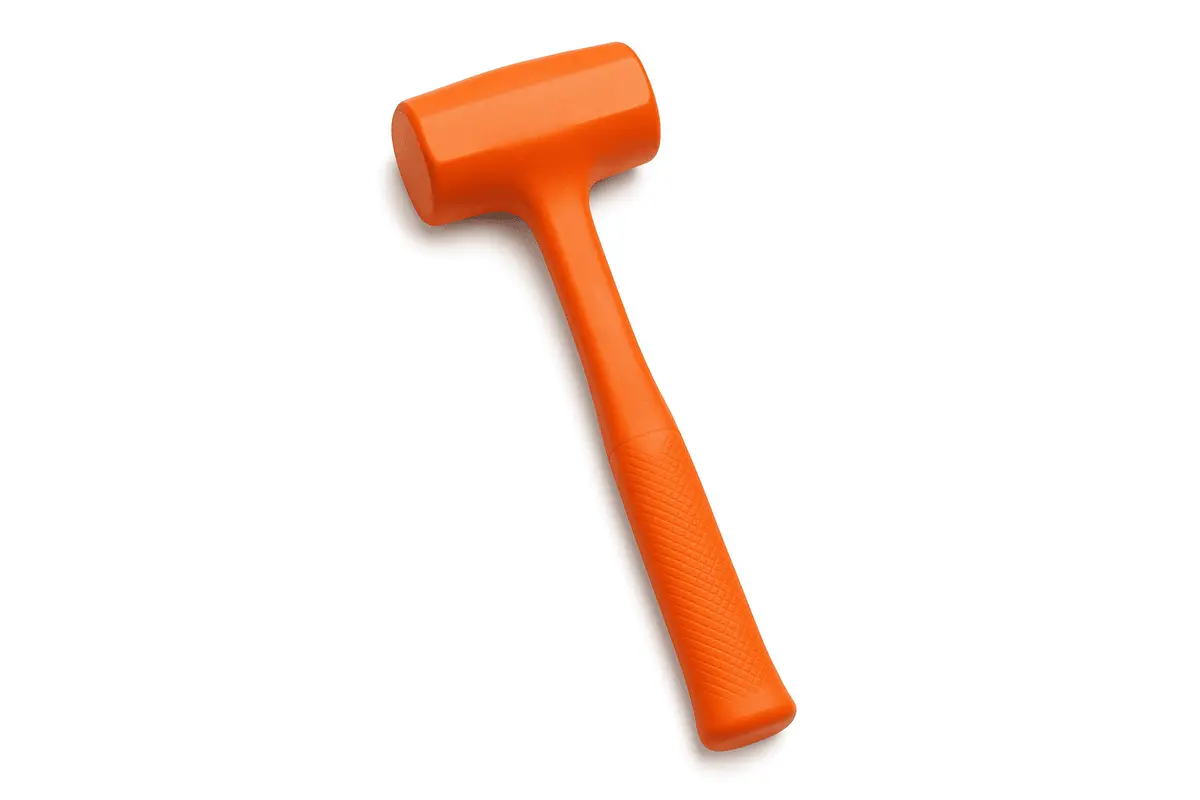
Orange dead blow hammer on a white background

The hammer is the workhorse of any toolbox - a tool that's been around forever, and gets the job done. But imagine a version that’s a little more advanced - a hammer that’s designed to hit things without all the drama of a harsh clang and a violent bounce? I’m talking about the dead blow hammer

This hammer isn’t just about looks - it’s hiding a clever design. The head is packed with steel shot or sand and as you swing, that material shifts, channeling maximum force into the workpiece with a solid, controlled strike and virtually no bounce-back. This makes it an absolute game-changer for certain jobs. If you’ve ever wondered whether a dead blow hammer is worth the space in your tool kit, let’s list five situations where it just blows the competition away.

Installing Bearings or Bushings

Imagine you’re trying to tap a new bearing into place. When you hit with a regular hammer, the head bounces back a bit. This rebound can cause you to hit it again clumsily, potentially damaging the delicate bearing or the housing you're trying to set it in. It can also cause misalignments and certain frustration.

A dead blow hammer solves this problem. When you strike the bearing, all the force goes into the target spot without bounce-back. The full energy of the blow is delivered exactly to the target, seating the bearing perfectly and without any risk of damaging the precision component. This isn’t just easier; it’s a lot safer for your parts.

Working in Confined Spaces

If you've ever tried to tap something in a tight spot (e.g. an engine bay or behind some framing), you know the struggle with a standard hammer. You take a careful swing, only for the head to bounce back, smacking into nearby parts or, even worse, your knuckles. 

The dead blow’s lack of rebound is a lifesaver in these situations. You can make a solid, confident swing without worrying that the hammer head will bounce back. This gives you more control and enables you to work in confined areas with far less risk of causing collateral damage. The dead blow hammer makes it easy to land your strike right on target, without the rude surprises!

Automotive or Mechanical Work

When you’re working on a car engine or a finely-tuned machine, the last thing you want is to leave a dent on a beautiful aluminum casing or a polished metal component. Regular hammers are great at delivering force, but they can be rough, leaving unsightly marks on surfaces you are trying to protect.

A dead blow hammer, with its softer, non-marring head, is the perfect choice for this kind of work. It can deliver a powerful, controlled strike to loosen a rusted bolt or make a part move without leaving a single blemish. This means you can complete the job without worrying about expensive cosmetic damage.

Aligning Panels or Parts

Have you ever tried to align two large metal panels or pieces of furniture using a standard hammer? You hit it once to shift it, and then the rebound causes the part to move back slightly. This can turn a simple alignment task into a frustrating series of overcorrections.

A dead blow hammer gives you precise control - each strike delivers a clean, consistent force that moves the part exactly where you want it to go. There is no bouncing back, so you can tap a part into position with confidence, knowing it will stay put. It’s the line between wrestling with a job and pulling it off like a pro. You'll be striking all the right chords with this tool.

Assembly on Delicate Materials

Whether you’re working with plastic trim, soft woods, or finished metal frames, using a standard hammer is a recipe for disaster. The hard face of a regular hammer will leave dings, dents, and other imperfections on soft materials, ruining your project.

A dead-blow hammer has no such problems. Its soft head allows you to apply force without causing damage. You can tap together plastic pipes, assemble wooden furniture, or seat a part on a finished surface without leaving a trace of your work. The dead blow hammer lets you be firm without being destructive. It’s a tool that helps you nail the job without leaving a mark.

Why Dead-Blow Hammers Help Prevent Fatigue

Beyond these five specific situations, there's another major benefit to using a dead blow hammer that often goes unnoticed: reduced user fatigue.

With no harsh rebound or vibration, far less shock travels back through your hands and wrists. Over the span of a long job or a full day’s work, that means less strain, reduced soreness, and a lower risk of long-term wear and tear. You'll be less tired and more comfortable, which is a major win for any serious tool user. It’s a hammer that truly helps you carry the load.

Conclusion

A dead blow hammer is not a replacement for your trusty regular hammer - it's a specialized tool for specialized jobs. 

If you work with anything precise, delicate, or just difficult to reach, a dead blow hammer is an invaluable addition to your toolbox. It’s not just a nice-to-have; it's a game-changer that can save you time, frustration, and money by preventing damage. You’ll find yourself reaching for it more often than you think, especially when you need to be precise.