

Blog
Snap-On Dead Blow Hammer Review: Worth the Investment?

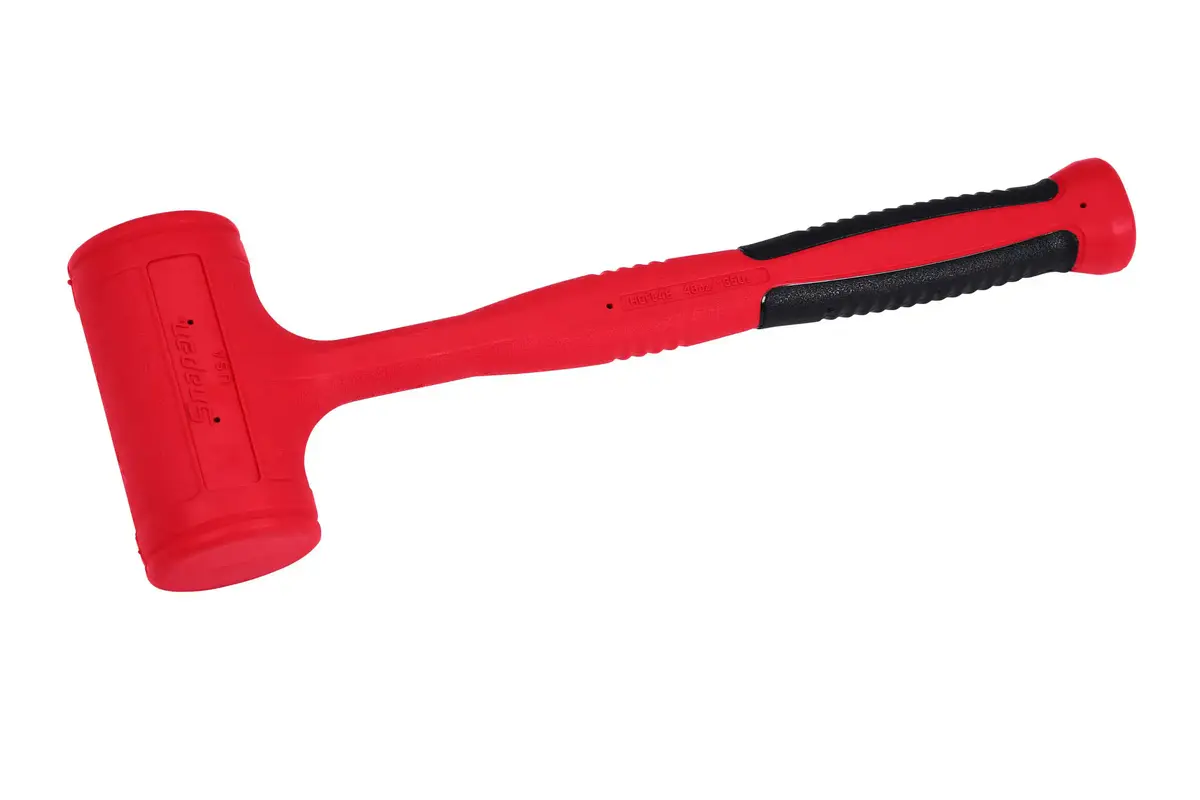
It's no secret that Snap-On tools come with a reputation and a price tag that can make you take a deep breath. It's a renowned brand built on the trust of professional mechanics who need tools that can withstand heavy use daily and perform without fail.
The question is, does this legendary status extend to a tool as seemingly simple as a dead blow hammer? Is the Snap-On version truly worth the premium price, or are you just paying for the logo?
Let's take a hard look at this tool to see if it really hits the mark.
Design & Build Quality
The Snap-On dead blow hammer feels like a top-tier piece of equipment - the weight is balanced, and the grip is exceptional. Many of their models feature a soft, microcellular grip that is surprisingly comfortable, even after long periods of use. This isn't just a rubber sleeve, it’s an engineered grip that feels solid and absorbs shock. The head is made from a tough, non-marring urethane material tough enough to withstand heavy use without breaking down.
The shot-filled canister inside the head is a key feature, and Snap-On’s design is known for a better internal shot canister that provides a more effective "dead blow" action. Its one-piece design, from head to handle, feels solid and sturdy, inspiring confidence that it’s made for the long haul. It’s hard to deny that this hammer feels like a significant upgrade from a generic hardware store model.
Performance in Action
The true measure of any tool is how it performs when the work gets tough. In a shop environment, a dead blow hammer is used for everything from seating bearings and bushings to tapping body panels and coaxing stubborn components into place. The Snap-On dead blow excels at these tasks. Its non-marring head is a huge plus, allowing you to hit polished aluminum, chrome, or delicate plastic without leaving a single mark.
The most noticeable performance advantage is its ability to absorb shock and eliminate rebound. The internal shot does a job perfectly - when you strike a component, the hammer's energy is delivered cleanly and precisely, with virtually no bounce back. This not only makes the work more efficient, but it also significantly reduces the jarring feedback that travels up your arm. For a professional swinging a hammer all day, this is a game-changer because it feels like a solid thud instead of a sharp jolt.
Another benefit is the precision you get from the balance. The tool feels like it wants to hit its target and stay there. This makes it easy to make small, controlled taps for minor adjustments without overshooting your mark. It’s a tool that helps you nail the job every time.
Durability & Long-Term Use
Snap-On tools are known for their longevity, and the dead blow hammer is no exception. User testimonials often talk about these hammers holding up for a decade or more of constant and heavy use. While a head on a cheap dead blow hammer might start mushrooming or its handle become spongy after a year, a Snap-On holds its shape and integrity. The grip material resists most shop chemicals and oils without becoming sticky or breaking down. The high-quality polyurethane head is tough as nails, resisting chipping and cracking far better than other alternatives.
The long-term value is also backed by the Snap-On warranty. While some users might find their cheaper dead blow needs replacing every year, a Snap-On will likely be in your toolbox for a very long time. When it eventually wears out, the lifetime warranty offers a quick and hassle-free replacement. This is a big deal for professionals who can't afford to have a key tool out of commission.
Comparison to Other Dead-Blow Hammers
So, here’s the bottom line: is the Snap-On dead blow hammer truly worth paying three to four times more than a budget or mid-range model? For a casual user or a weekend hobbyist, the answer is probably no. A less expensive dead blow hammer from a brand like Tekton or Estwing is a perfectly good tool for occasional use that will get the job done. They will still prevent rebound and save your surfaces from damage.
However, with heavy or professional use, the performance gap becomes noticeable. The Snap-On's superior materials deliver better shock absorption, less hand fatigue, and more consistent, reliable performance over time. That’s the difference between a tool that is adequate and a tool engineered to be as comfortable and efficient as possible for professionals who use it all day, every day.
You’re not just buying a hammer, you’re investing in yourself and the quality of your work. It's a kind of tool that pays for itself over a long career by reducing strain and increasing efficiency.
Who Should Actually Buy This?
This hammer is definitely not for everyone.
- Professional Mechanics: For someone who relies on their tools to make a living, a Snap-On dead blow hammer is an investment that makes sense. It will stand up to the rigors of a professional shop, and the superior ergonomics will help prevent long-term physical strain.
- High-End Enthusiasts: If you're working on expensive or classic cars and need to ensure you don't mar a delicate surface, the precision and non-damaging qualities of this hammer are worth every penny.
- Serious DIYers: If you do a lot of complex work and want to buy a tool that you will never need to replace, then go for it. For a regular home garage user, it's definitely luxury, but one guaranteed to last a lifetime or maybe even two.
Conclusion
Is the Snap-On dead blow hammer a tool for everyone? No, it is not.
For most casual users, a more affordable option is the logical choice. However, for working professionals or serious hobbyists who demand top performance, long-lasting durability, and all-day comfort, the Snap-On dead blow hammer is worth the investment.
This is a tool built to last, delivering efficiency, precision, and less strain on your body for years. Once you have worked with it, you’ll never want to go back to anything else.