

Blog
What’s Inside a Dead Blow Hammer? Here’s How It Works

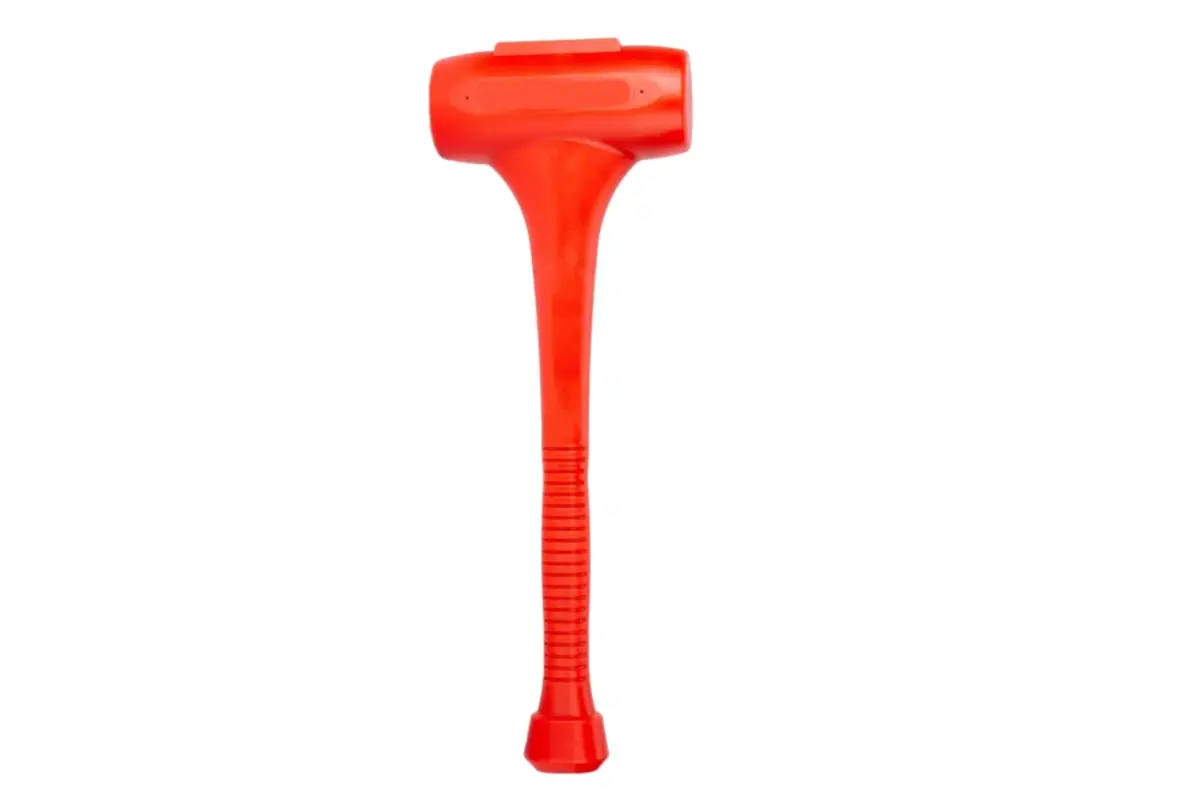
You’ve probably seen one before: chunky, bright orange, and surprisingly quiet on impact. It’s a dead blow hammer, the curious relative in the hammer family that doesn’t bounce back.
The first time you use one, you can’t help but think, “Wait, why didn’t that rebound?” It feels oddly controlled, almost like the hammer knows exactly when to stop. The secret lies inside.
So, let's take a peek under the surface and uncover what gives it that unique, no-bounce thud.
The Key Components Inside a Dead-Blow Hammer
Let’s open it up - the interior of a dead blow hammer has three main components that make it “deadly” effective:
1. Shot-Filled Core
At the heart of a dead blow hammer is a hollow chamber filled with loose material. This is usually steel shot, sand, or sometimes lead shot in older models. The tiny pellets or grains roll freely inside the head. When you swing the hammer forward, the shot moves with it, but when the head strikes the surface, the shot keeps moving for a split second longer.
This clever little delay is what kills the rebound. The shot absorbs the leftover energy and converts it into a controlled downward force. Instead of bouncing off, the hammer “sticks” to the surface for a moment, dumping every bit of momentum into your target. It’s like having a team of tiny helpers inside, all pushing in the same direction right at the point of impact.
2. Hollow Head Design
Unlike a claw hammer, the head of a dead blow hammer isn’t solid - it’s hollow, built to absorb and channel impact. That’s what gives it its signature sound: a deep, satisfying thud instead of a sharp clang. The hollow structure also keeps it lighter, so you get better control and less fatigue during longer projects. It’s kind of like swinging a pillow that hits back.
3. Non-Marring Outer Shell
Most dead blow hammers have an outer shell made of rubber or polyurethane, a soft layer that protects the surface you’re striking. Unlike steel hammers, which can dent, scratch, or scuff surfaces, the dead blow is softer. You can hit painted metal, delicate machinery, or even wood joints without worrying about leaving marks.
The rubber shell also adds grip and reduces vibration in your hand. Some might say it’s the hammer version of wearing gloves, because it's smoother, safer, and a lot less painful if you happen to miss your target.
How It Actually Works
So, we’ve got a hollow head, loose shot inside, and a soft outer shell - but how do they all come together? Let’s break down the swing.
When you lift the hammer, the shot shifts backward. As you bring it down, it slides forward, adding force to your strike. When the head hits the surface, the shell stops but the shot inside keeps moving down for a split second longer. That continued motion absorbs the shock and kills the bounce.
The effect is instant: instead of the hammer snapping back into your hand, it stays steady and controlled. The surface takes the impact; your wrist doesn’t. It’s like the difference between punching a wall and pressing your hand against it with all your weight. One hurts, the other just works.
Why That Matters in Real Use
You may be wondering when this anti-bounce magic comes in handy. The short answer is: whenever precision and surface protection matter more than brute force.
Let’s look at a few real-world situations.
- Automotive Work: Mechanics love dead blow hammers because they can strike metal parts without leaving dents. Whether you’re fitting a stubborn wheel hub or nudging a suspension component into place, the hammer gives a clean, stable hit without the unwanted rebound. It’s also non-sparking, which is great news if you’re working around fuel or oil!
- Machinery and Assembly: In factory settings, technicians use dead blow hammers to position heavy machine parts, gears, or bearings. When precision is everything, a bouncing hammer is a disaster waiting to happen. The dead blow gives a predictable strike every time.
- Woodworking and Carpentry: Believe it or not, some woodworkers use dead blow hammers, too. The soft face means you can adjust joints or panels without marring the surface. It’s especially useful when working on tight joinery or delicate furniture pieces. You get the force of a hammer with the touch of a mallet.
- Home Repairs: Even around the house, a dead blow hammer earns its place. Assembling furniture, installing tiles, or working with anything that requires gentle persuasion, this hammer delivers. It’s perfect when you need a “firm but polite” impact.
Can You Take One Apart?
Here’s where things get interesting. Some dead blow hammers are sealed for life, meaning they’re not meant to be opened. The manufacturer fills the chamber and seals it shut to prevent leaks or contamination. Others, especially higher-end models, can be taken apart for maintenance or refilled with fresh shot if needed.
If you’re thinking about disassembling yours just to peek inside, proceed with caution. The pellets inside can be messy, and putting them back together is no joke. Unless you’re trying to repair a cracked casing, it’s best to let the mystery stay intact.
Why It’s Worth Having One
If you’re wondering whether a dead blow hammer belongs in your toolbox, here’s the verdict: absolutely yes. It’s not a replacement for your regular hammer, but it has a very specific role: when you need power without punishment, it’s invincible.
Whether you’re a mechanic, carpenter, metalworker, or just a weekend tinkerer, a dead blow hammer gives you better control, less noise, and no bruised knuckles. And let’s be honest, it’s fun to use. Every swing feels confident. Every strike feels solid. And that deep thud? Pure music to any tool lover’s ears.
Conclusion
So what’s inside a dead blow hammer? A hollow chamber, a pile of tiny metal or sand particles, and a shell that keeps everything cushioned and quiet. Toget her, they create a tool that’s smarter than it looks.
The next time you see that chunky orange hammer sitting on a workbench, you’ll know it’s more than just a colorful piece of plastic. Inside, it’s a miniature physics experiment that turns brute force into smooth control.
Dead blow hammers don’t just hit. They hit smart. And in a world where precision matters, that’s what makes them truly striking.