Hammers

What Is a Copper Hammer and When Should You Use One?

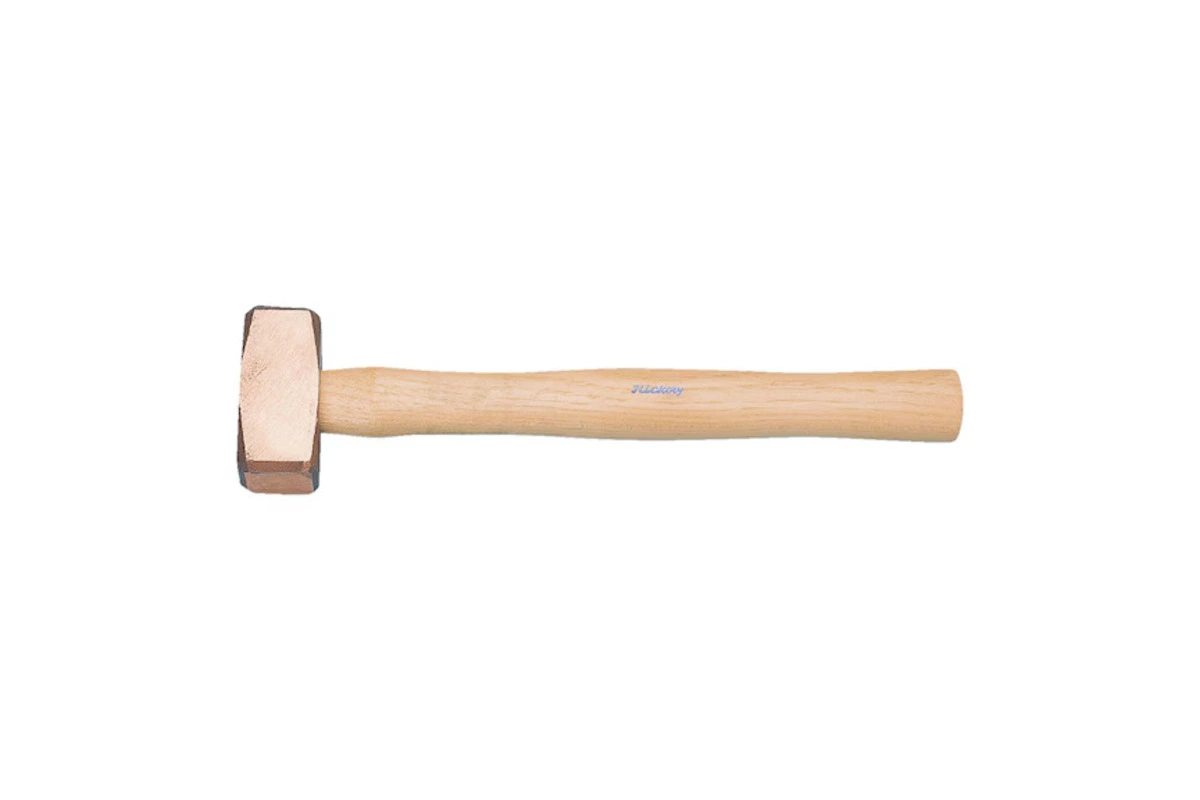
Copper Hammer with wooden handle on white background

At first glance, a copper hammer feels like a contradiction - why would anyone want a hammer made out of a soft metal that bends and dents? After all, isn’t a hammer supposed to be tough?

Here’s the catch: copper hammers are designed to absorb the damage themselves, protecting the surface you’re working on. They strike with power but won’t leave dents, scratches, or sparks. Think of it as less of a brute and more of a gentle enforcer, like the friend who moves furniture without scuffing the walls.

What Is a Copper Hammer?

Imagine a standard hammer swapped with a head made entirely of copper. That’s it. Simple, but effective. The key is that copper is softer than steel.

Instead of bouncing or marking up the part you’re hitting, the hammer head deforms on impact. The copper sacrifices itself, leaving little dents on the hammer, not on your project.

It’s the kind of tool that looks beat up fast, but that beat-up look is exactly what makes it useful.

In other words, the hammer takes the abuse so your project doesn’t.

Why Use Copper Instead of Steel?

So what makes copper worth it when steel hammers already exist? Here are a few big advantages:

1. Won’t Mar Surfaces

Steel is harder than most metals and materials you’d be working on, so it can easily dent or scratch them. Copper is softer, so when it strikes, it compresses slightly and protects the surface beneath.

2. Absorbs Energy, Reduces Rebound

Anyone who’s had a steel hammer bounce back on them knows how jarring that can be. Copper absorbs some of that energy, giving you a cleaner, more controlled strike.

3. Non-Sparking

This is a huge one: copper won’t create sparks when it strikes steel. That makes it invaluable in environments where flammable gases, fuel, or dust are present. Think oil refineries, chemical plants, or gas-powered equipment.

4. Ideal for Soft Metals and Precision Work

When working with aluminum, brass, or delicate machinery parts, you don’t want a hard hammer messing things up. Copper gives you the force you need without surface damage.

Where Copper Hammers Get Used

You won’t see copper hammers hanging in every household toolbox, but in certain fields, they’re indispensable:

  • Automotive and engine work → Perfect for seating parts, adjusting components, or loosening stuck pieces without cracking or denting them.
  • Machinery alignment → Used to nudge machine parts into alignment during installation or repair.
  • Working around flammable materials → Non-sparking heads make them safer in oil, gas, or chemical-heavy environments.
  • Metalwork → Ideal for working with softer metals or delicate finishes, where a steel hammer would cause permanent damage.

If you’ve ever seen a mechanic pull out a hammer that looks like it’s been through a war, odds are, it’s copper.

Copper Hammer vs Brass or Dead Blow

Copper hammers often get confused with other specialty tools. Here’s how they stack up:

Copper vs Brass: Brass is harder than copper. If you want a bit more durability while still avoiding sparks and minimizing damage, brass might be the better pick. Copper, being softer, is gentler on surfaces but wears down faster.

Copper vs Dead Blow: A dead blow hammer uses a shot-filled head to prevent rebound and deliver steady force. Unlike copper, it doesn’t deform. Dead blows are great for precision assembly, but they’re not non-sparking, and they don’t offer the same soft-metal cushioning.

Quick rule of thumb:

  • Choose copper when surface protection and safety are top priorities.
  • Choose brass when you want durability.
  • Choose a dead blow when you want rebound control above all else.

Should You Own One?

Here’s the honest answer: not everyone needs a copper hammer.

  • General home use? Probably not. If your projects are limited to hanging pictures, light carpentry, or simple DIY, a copper hammer will gather dust. A rubber mallet or dead blow will cover more ground.

  • Mechanics and metalworkers? Absolutely. If you’re working on engines, machinery, or any job involving precision metal parts, a copper hammer can save you from expensive mistakes.

  • Industrial environments? Definitely. Anywhere sparks are a hazard, a copper hammer isn’t just useful, it’s a safety essential.

So, unless your work involves delicate metals or flammable environments, you can skip it. But if it does, a copper hammer is worth every penny.

Conclusion: The Soft Metal Heavyweight

The copper hammer is the odd one out in the hammer family. It’s softer, gets scuffed up quickly, and isn’t meant for everyday household use.
But when you need heavy impact without damaging the surface or creating sparks, nothing else compares.

Simply put:  it’s not the hammer you’ll use every day, but when the moment calls for it, it’s the only one that fits.