

Blog
Is a Rotary Hammer Better Than a Hammer Drill?

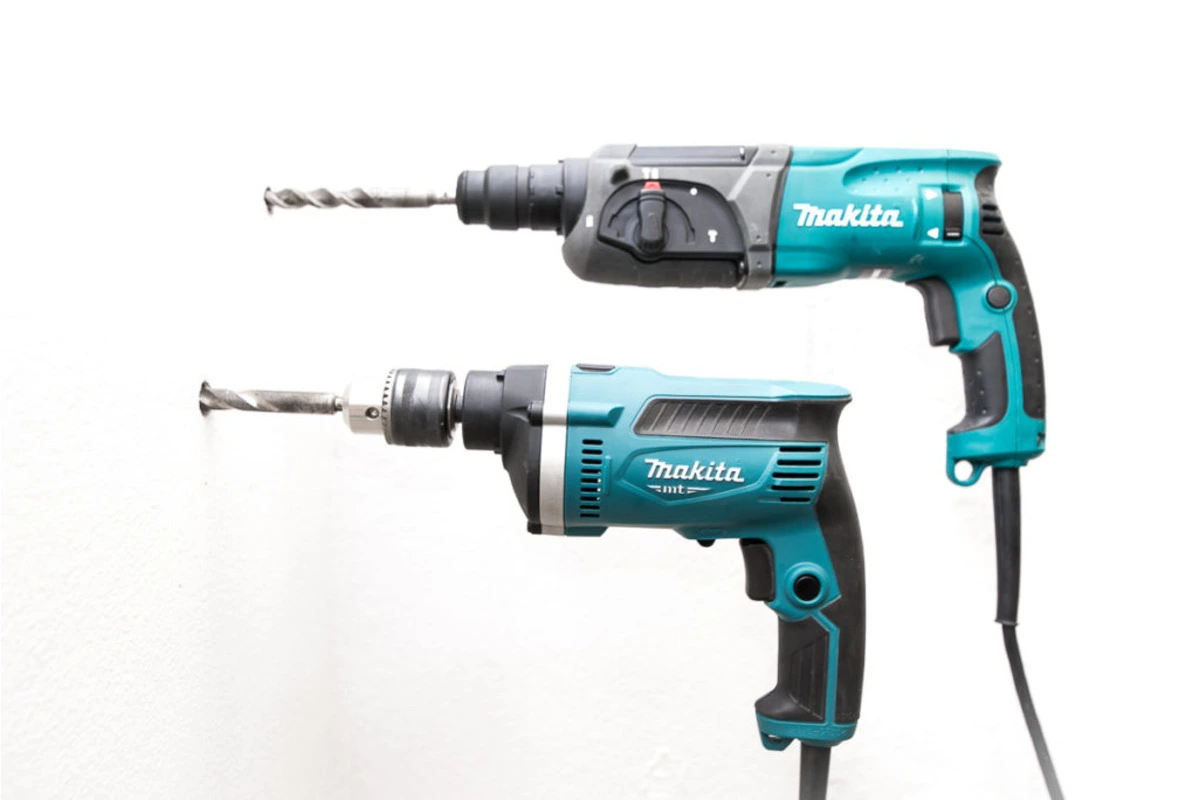
If you’ve ever attempted to drill into concrete, brick, or stone, you already know that standard drills quickly reach their limits. The bit overheats, progress slows to a crawl, and the tool starts fighting back. That’s usually the moment people begin asking is a rotary hammer better than a hammer drill?
At first glance, both tools seem to do the same thing. They spin, they hammer, and they’re both used for masonry work. But beneath the surface, they operate very differently and are designed for completely different workloads. Choosing the wrong one can slow you down, can wear out your tool, fatigue your hands, or even damage your bits.
This in-depth guide breaks down everything you need to know to answer the question properly. We’ll compare how rotary hammers and hammer drills work, where each one performs best, and which tool is truly “better” depending on your specific needs.
What Does Better Actually Mean?
Before declaring one tool better than the other, it’s important to define what “better” means in practical terms. Most users care about a few key factors:
- How much power does the tool delivers
- How fast does it drill into hard materials
- How much effort does it require from the user
- How long does it last under repeated use
- Whether it can handle multiple types of tasks
A rotary hammer almost always wins in raw performance. However, performance alone doesn’t make it the best tool for everyone. Versatility, cost, size, and ease of handling play just as big a role in real-world use.
What Is a Hammer Drill?
A hammer drill looks very similar to a regular electric drill. In fact, many models function as standard drills when hammer mode is turned off. What sets a hammer drill apart is its ability to add a rapid forward hammering motion while the bit rotates.
How a Hammer Drill Works
Inside a hammer drill are two hardened metal discs, commonly called clutch plates. When hammer mode is engaged, these discs rotate against each other. As the ridges on the discs slide past one another, they push the chuck forward in quick pulses.
This creates a vibration-like hammering action, often up to 30,000 blows per minute. While each impact is relatively weak, the high frequency helps chip away at softer masonry materials like brick, mortar, and block.
Strengths of a Hammer Drill
Hammer drills are popular for several reasons:
- Lightweight and easy to control
- Affordable compared to rotary hammers
- Compatible with standard drill bits
- Can drill wood, metal, plastic, and masonry
Because of this versatility, hammer drills are often the first choice for homeowners and general contractors who only occasionally work with masonry.
Limitations of a Hammer Drill
Despite their usefulness, hammer drills have clear limits:
- Impact force is relatively low
- Struggles with dense or reinforced concrete
- Requires significant user pressure
- High vibration can cause fatigue
For short, light tasks, these drawbacks aren’t a big issue. But when drilling into hard concrete repeatedly, they become very noticeable.
What Is a Rotary Hammer?
A rotary hammer is a purpose-built masonry tool designed for serious concrete and stone work. While it also spins the bit, its hammering action comes from a completely different and much more powerful mechanism.
How a Rotary Hammer Works
Instead of relying on vibration, a rotary hammer uses a pneumatic hammering system. Inside the tool, a piston moves back and forth rapidly. As it compresses air, it drives a striker that hits the back of the drill bit directly.
This system produces fewer blows per minute than a hammer drill, but each blow delivers dramatically more energy. Rather than chipping the surface slowly, a rotary hammer actively pulverizes the material in front of the bit.
What Makes Rotary Hammers So Powerful
Rotary hammers excel because they:
- Deliver far higher impact energy
- Require less downward pressure from the user
- Drill faster and more efficiently
- Maintain performance in hard materials
This makes them the preferred tool for professionals who regularly work with concrete, stone, or masonry.
Where a Rotary Hammer Is Clearly Better
If your work involves any of the following, a rotary hammer is almost always the better choice:
- Drilling deep holes in poured concrete
- Working with reinforced concrete and rebar
- Chiseling tile, mortar, or plaster
- Breaking concrete slabs or masonry
- Foundation, structural, or demolition work
In these scenarios, a hammer drill may technically work, but it will be slower, harder on your body, and much harder on the tool itself.
Rotary Hammer vs. Hammer Drill
1. Power and Impact Energy
A hammer drill relies on mechanical vibration. Its impacts are fast but shallow. A rotary hammer, on the other hand, delivers strong, piston-driven blows that break material apart internally.
2. Drilling Speed and Efficiency
In brick or mortar, both tools perform reasonably well. In concrete terms, the difference becomes obvious. Rotary hammers drill faster, cleaner, and with less resistance. Hammer drills tend to slow down and overheat during prolonged use.
3. User Effort and Fatigue
Hammer drills require the user to apply steady downward pressure. Combined with high vibration, this can lead to hand and arm fatigue quickly. Rotary hammers do most of the work themselves, allowing the bit to advance with minimal pressure.
4. Bit Systems and Holding Power
Hammer drills use standard round or hex-shank bits held by a traditional chuck. Rotary hammers use SDS systems that lock the bit in place while allowing controlled movement.
SDS bits:
- Transfer impact more efficiently
- Reduce slippage
- Withstand heavy loads
5. Versatility Across Materials
Hammer drills can drill:
- Wood
- Metal
- Plastic
- Masonry
Rotary hammers are more specialized, but many include multiple modes:
- Rotation only
- Hammer + rotation
- Hammer only
This allows them to drill, chisel, and demolish.
6. Size, Weight, and Portability
Hammer drills are compact and easy to carry. Rotary hammers are heavier and bulkier due to their internal mechanisms.
7. Durability and Tool Lifespan
Using a hammer drill continuously on concrete can burn out the motor and wear down the clutch plates. Rotary hammers are designed specifically for that abuse and can run for long periods without damage.
Understanding SDS Systems in Rotary Hammers
One defining feature of rotary hammers is the SDS (Slotted Drive System).
Types of SDS Bits
- SDS / SDS-Plus: Most common for handheld rotary hammers
- SDS-Max: Larger, industrial-grade system
- SDS-Top: Less common, mid-range option
These systems allow the bit to slide back and forth slightly, maximizing impact energy and drilling efficiency while improving safety.
Cost vs. Value: Which One Makes More Sense?
Hammer drills are generally much cheaper and offer excellent value for homeowners and light users. Rotary hammers cost more upfront but save time, effort, and replacement costs for professionals.
- Occasional use: The hammer drill is more cost-effective
- Frequent concrete work: Rotary hammer offers better long-term value
Who Should Choose a Hammer Drill?
A hammer drill is the better choice if you:
- Are you a homeowner or DIYer
- Drill into masonry only occasionally
- Mostly work with wood, metal, or drywall
- Want one tool for many tasks
- Prefer something lightweight and affordable
Common use cases include:
- Mounting shelves
- Installing electrical boxes
- Hanging fixtures on brick walls
- Light anchor installation
Who Should Choose a Rotary Hammer?
A rotary hammer is better if you:
- Work in construction or renovation
- Drill concrete regularly
- Need chiseling or demolition capability
- Want faster results with less effort
- Require professional-grade durability
Common use cases include:
- Drilling rebar holes
- Breaking concrete slabs
- Removing tile or mortar
- Foundation and structural work
Final Thoughts
A rotary hammer is better when the job involves serious masonry, dense concrete, or repeated heavy-duty drilling. It’s faster, more powerful, easier on your body, and built to last.
A hammer drill, however, is better suited for general-purpose use, light masonry tasks, and situations where versatility, size, and cost matter more than raw power. In short, a hammer drill is the versatile DIY workhorse, while a rotary hammer is the heavy-duty concrete specialist.
Understanding the difference ensures you’ll always choose the right tool and never struggle with concrete with equipment that wasn’t built for the job.