

Blog
Chasing Hammer: What It Is and How to Use It

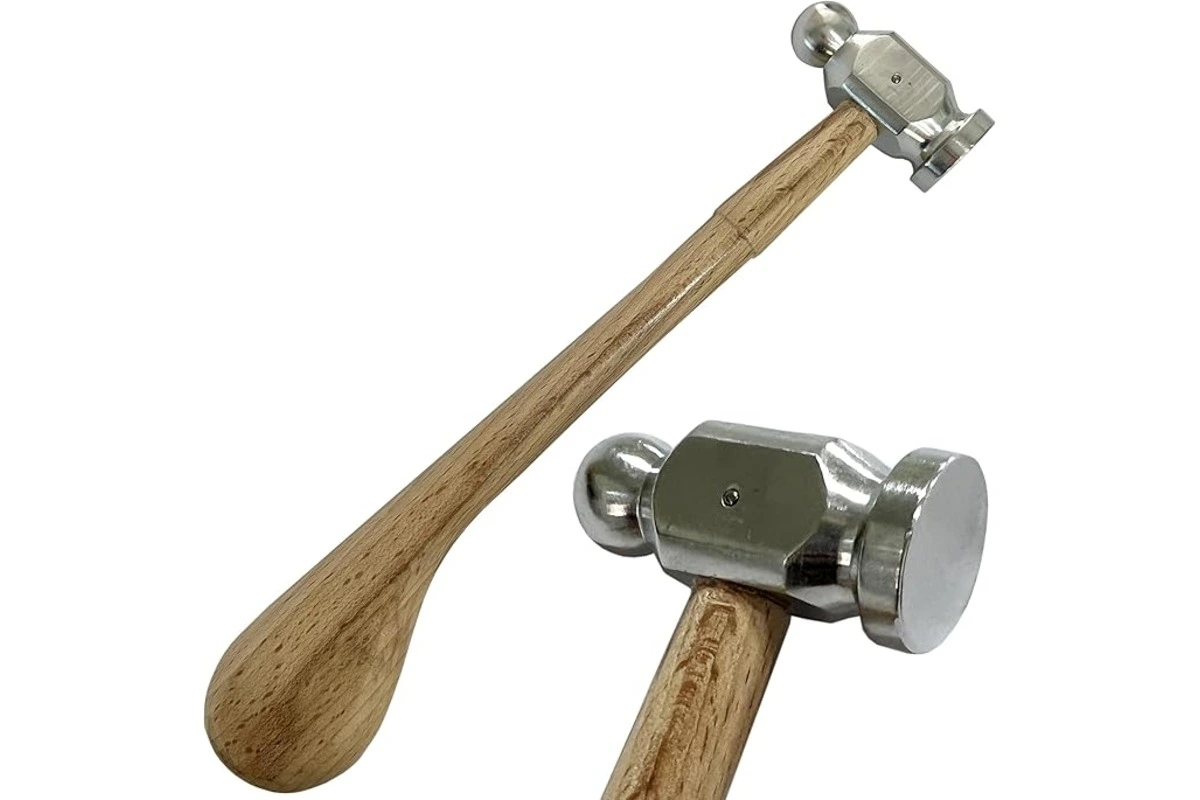
In the world of metalsmithing and jewelry making, certain hand tools stand out as essential everyday companions. One of these is the chasing hammer - a beautifully balanced, highly specialized tool used for delicate metal shaping, texturing, riveting, and decorative chasing. Whether you’re shaping a silver ring, flattening wire, or adding intricate designs to sheet metal, the chasing hammer makes the work possible.
This guide covers everything you need to know: what a chasing hammer is, the features that matter, how to choose the right one, the different types available, and how to care for it so it lasts for years while helping you create stunning handcrafted pieces.
What Is a Chasing Hammer?
A chasing hammer is a lightweight, well-balanced hammer used primarily in jewelry making, silversmithing, and metal art. Its signature design features two distinct faces:
- A large, smooth, domed face used for striking, chasing tools, or shaping metal without leaving marks.
- A narrower ball-peen face is used for riveting, texturing, and creating decorative impressions.
Its ergonomic handle, often slightly bulbous near the base, makes it comfortable for long sessions of precise hammer work.
Unlike construction hammers that deliver brute force, a chasing hammer is engineered for control, finesse, and repetitive, subtle striking. It allows artisans to manipulate metal without distortion and create delicate textures without damaging the work surface.
Characteristics of a Chasing Hammer
Although chasing hammers may appear simple, several design features fundamentally affect performance and precision. Understanding these characteristics helps you choose the right hammer for your technique and comfort level.
1. Weight
Chasing hammers typically weigh between 2 to 4 ounces for lightweight work and up to 8 ounces for heavier metal shaping.
- Lighter hammers are ideal for thin sheet metal, delicate textures, and working with soft metals such as silver or gold.
- Heavier hammers provide more force for shaping thicker metal or working on large projects.
2. Length
Most chasing hammers fall within the 10-12 inch range. A longer handle provides better leverage and helps with rhythmic tapping motions. Shorter handles offer more control for delicate tasks.
The ideal length depends on your technique: metal artists who use quick, repeated taps often prefer a longer handle, while precision jewelers may opt for slightly shorter designs.
3. Material Composition
The hammer head is typically made from high-carbon steel or forged tool steel to withstand repeated impacts. The faces should be polished to a near-mirror finish to avoid scratching soft metals.
Handles are commonly made of hardwood like hickory, which allows for an ergonomic, shock-absorbing, and traditional design. Or exotic hardwoods that add durability and aesthetic appeal.
While steel handles exist, they are rare because they transfer too much vibration for fine jewelry work.
4. Faces of the Hammer
This is where the chasing hammer truly stands out.
Domed Face
- Broad and slightly rounded
- Used for striking chasing tools
- Prevents marring of the metal
- Excellent for flattening and planishing
A well-polished dome ensures smooth, clean strikes.
Ball-Peen Face
- Smaller, rounded end
- Ideal for riveting
- Popular for creating stippled textures, dimpling, or patterned impressions
The ball-peen allows jewelry makers to add artistic detail to metal surfaces.
5. Handle Design
A chasing hammer’s handle design directly contributes to the smooth, rhythmic motion needed in metalwork.
Key handle characteristics:
- A flared, bulb-shaped grip at the end for stability
- Slight curvature for natural wrist movement
- Smooth yet grippy surface for comfort
Handles should minimize vibration, reduce hand fatigue, and allow effortless repetitive striking.
What to Look Out for When Buying a Chasing Hammer
Not all chasing hammers are created equal. Choosing the right one requires attention to detail because the wrong hammer can leave dents, distort your metal, or exhaust your hand.
1. Handle Material & Grip
Hardwood handles offer the best blend of comfort and shock absorption. Look for:
- Smooth, lacquer-free finishes (too much varnish can cause slipping)
- A balanced weight distribution
- A comfortable bulb at the end for control
The hammer should feel natural in your hand, not top-heavy.
2. Balance and Weight Distribution
A quality chasing hammer will feel balanced when held near the end of the handle. This balance helps with rhythmic tapping and precise strikes. If the head feels too heavy or the handle too light, it will throw off your accuracy.
3. Face Finish
This is one of the most important features. The domed face should be:
- Highly polished
- Free of scratches
- Smooth to prevent marring soft metals
Many jewelers make the mistake of buying a cheap hammer with an unpolished face, which can ruin delicate pieces.
4. Durability
Choose a hammer with:
- A securely attached head
- High-quality hardwood
- Forged or hardened steel faces
Durability ensures consistent performance over years of use.
5. Price Considerations
Chasing hammers range from budget-friendly to premium, handcrafted options.
- Beginners can start with affordable models.
- Professionals often prefer premium hammers with carefully balanced handles and highly polished faces.
Since chasing hammers last decades, investing in quality is usually worthwhile.
Chasing Hammer vs. Other Crafting Hammers
There are many hammers used in metal crafting, and each has a specific role. Here’s how the chasing hammer compares.
Chasing Hammer vs. Ball-Peen Hammer
While both have a ball-peen end, they serve different purposes. A ball-peen hammer is heavier and designed for industrial metalwork, not delicate jewelry work. A chasing hammer is lighter and better balanced for finesse and repeated tapping.
Chasing Hammer vs. Planishing Hammer
A planishing hammer has two flat or slightly domed faces and is used to smooth metal surfaces after shaping. A chasing hammer, on the other hand, is used for striking tools and adding decorative textures.
Chasing Hammer vs. Riveting Hammer
Riveting hammers are smaller and narrower, designed specifically for setting rivets. Chasing hammers can also be used to set rivets, but they excel in broader metal shaping and detailing tasks.
When Is a Chasing Hammer Preferable?
- When working with soft metals (silver, gold, copper)
- When applying decorative textures
- When flattening or gently shaping metal
- When striking, chasing, or texturing tools
- When riveting jewelry components
If precision and aesthetics matter, the chasing hammer is the top choice.
Types of Chasing Hammers
Though hammers share the same basic function, some variations cater to different preferences and uses.
1. Standard Chasing Hammer
The most common design - domed striking face + ball-peen end + hardwood handle is great for all-purpose jewelry work.
2. Deluxe or Professional Chasing Hammer
Often handcrafted, featuring:
- Superior balance
- Exotic hardwood handles
- Highly polished faces
Favored by professional jewelers who want long-lasting quality.
3. Ergonomic Chasing Hammer
Designed with uniquely shaped handles for reduced fatigue, these are ideal for individuals who do high-volume work.
4. Miniature Chasing Hammer
Smaller, lighter, and perfect for extremely fine details or working with very small pieces of jewelry.
How to Care for Your Chasing Hammer
A chasing hammer can last a lifetime if properly cared for. Maintenance isn’t complicated, but it must be consistent.
Dos
- Polish the domed face regularly: Even minor scratches can transfer onto metal surfaces.
- Store in a dry place: Prevents handling cracking and metal corrosion.
- Wipe after each use: Removes oils, metal flakes, and debris.
- Check the handle for loosening: A loose head can be dangerous.
- Use only on appropriate metals: Soft metals maintain the hammer’s faces longer.
Don’ts
- Don’t strike hardened steel or anvils: This can chip or dent the hammer’s face.
- Don’t leave the hammer exposed to moisture: Wood can warp, and steel can rust.
- Don’t modify the dome without skill: Poor grinding ruins the smooth curvature.
- Don’t use it for construction tasks: The chasing hammer is a precision tool, not a general-purpose hammer.
Final Thoughts
A chasing hammer may seem like a small part of a jeweler’s toolkit, but its impact on craftsmanship is significant. From texturing and planishing to riveting and shaping, it allows artisans to work with precision, control, and artistic freedom. Understanding its characteristics, choosing the right type, and caring for it properly can enhance your metalworking results and elevate the quality of your finished pieces.
Whether you’re a beginner entering the world of jewelry making or a seasoned metalsmith refining your craft, a well-balanced chasing hammer is an investment that will serve you beautifully for years to come.