

Blog
The Welding/Chipping Hammer: Everything You Need to Know

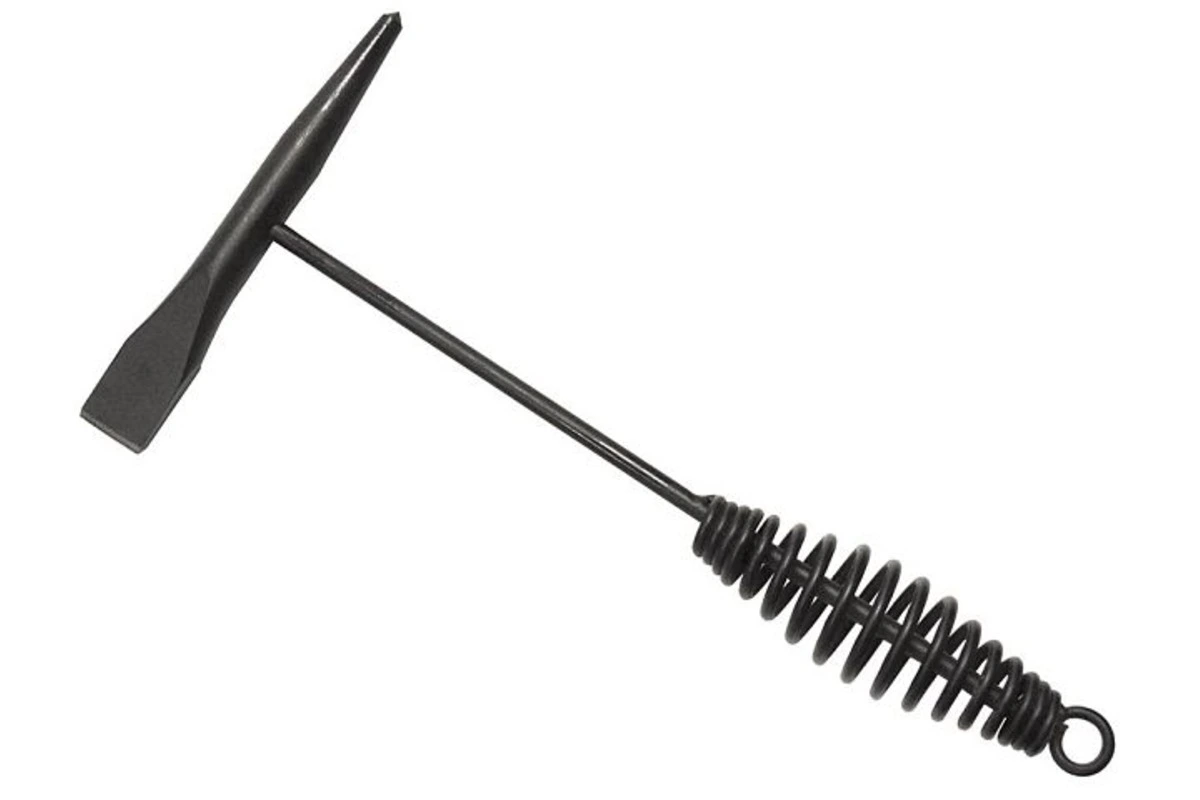
When most people think of welding, they imagine bright sparks and molten metal. Rarely do they think about the chipping hammer, the unsung hero that ensures each weld looks clean, professional, and structurally sound. But if you’ve spent any time doing stick welding (SMAW) or flux-cored welding, you already know that a chipping hammer is just as essential as your torch and helmet.
In this guide, we’ll consider everything you need to know about welding/chipping hammers: what they are, the features that matter, how to choose the right one, the different types available, and how to take proper care of them so they last for years.
What Is a Welding/Chipping Hammer?
A welding or chipping hammer is a highly specialized hand tool designed for removing slag. Slag is the brittle, crusty residue left behind after welding processes. When using stick or flux-cored welding, a layer of flux burns and solidifies on top of the weld bead.
While this protective layer has its benefits, such as shielding the weld from atmospheric contamination as it cools, it must be removed to reveal the finished weld, inspect bead quality, or prepare the surface for painting or further welding.
That’s where the chipping hammer comes in. With its unique two-sided head, a pointed tip on one end and a flat or slightly curved chisel on the other, it allows welders to knock off slag cleanly. The tool is built for repeated, controlled impacts and must withstand high heat, harsh environments, and constant vibration.
Characteristics of a Welding/Chipping Hammer
Although chipping hammers may look simple, certain design features dramatically influence performance, comfort, and longevity. Here are the characteristics that matter most.
1. Weight
Chipping hammers generally range between 9 - 16 ounces. A lighter hammer gives you more speed and control, making it ideal for delicate weld cleanup or tight spaces. A heavier hammer delivers more impact force, helping you break off stubborn slag. Ultimately, the right weight depends on your welding style, arm strength, and how long you’ll be working.
2. Length
Most welding hammers range from 10 to 12 inches long. A longer hammer increases leverage and reduces fatigue since it requires less force per strike. Shorter hammers offer more precision and better maneuverability. Length also determines reach, which matters when working inside pipe joints or awkward corners.
3. Material Composition
High-quality chipping hammers are made from heat-treated, forged steel. This material delivers hardness, durability, and resistance to deformation over time. The head should maintain its shape even after thousands of strikes, while the body must endure exposure to extreme heat without warping.
Some premium hammers feature anti-spark materials like copper alloys for hazardous environments, such as oil refineries or chemical plants.
4. Hammer Face (Pointed & Chisel Ends)
The defining feature of a welding/chipping hammer is its dual-faced head:
- Pointed End: Ideal for piercing or cracking thick, stubborn slag.
- Chisel End: Perfect for sweeping motions to separate and lift off broad areas of slag cleanly.
A well-designed hammer face maintains sharp edges for accuracy and requires less force to do the job.
5. Handle Design
Handle design directly affects comfort and safety. The most common handle types include:
- Steel Handle: Extremely durable but may transfer vibration.
- Wooden Handle: Good shock absorption but less common due to potential burn or damage.
- Spring Handle: Distinguished by its spiral steel coil, which absorbs vibrations and dissipates heat. This is the most popular design among professional welders.
A good handle should be slip-resistant, comfortable to grip with gloves, and resilient under high heat.
What to Look Out for When Buying a Welding/Chipping Hammer
Choosing the right hammer means looking beyond price and focusing on functionality and longevity. Here’s what to consider.
1. Handle Material & Grip
Spring-handled hammers dominate the industry for a reason, they offer excellent vibration control and stay cool even after prolonged welding sessions. If you prefer a straight steel or wood handle, look for ergonomic grip enhancements like rubber sleeves or textured surfaces.
2. Shock Absorption
Chipping slag involves repetitive striking, which can strain wrists and elbows if the tool lacks shock-absorbing features. Spring handles or cushioned grips help reduce fatigue, especially during long shifts.
3. Durability & Heat Resistance
Welding environments are harsh. Choose a hammer made from heat-treated or forged steel to ensure it withstands extreme temperatures, repeated impacts, and exposure to sparks and spatter.
4. Price Considerations
Chipping hammers are relatively affordable. Basic models start at low pricing, while high-end, heavy-duty hammers designed for industrial environments cost more. Your choice should reflect your welding frequency. Professionals benefit from investing in durable models, while hobbyists may get by with midrange options.
Welding/Chipping Hammer vs. Other Welding Cleanup Tools
Though essential, the chipping hammer is not the only tool used in weld cleanup. Understanding where it fits in helps you work more efficiently.
1. Chipping Hammer vs. Slag Hammer
Some welders use the terms interchangeably, but technically, slag hammers tend to be bulkier and feature similar dual ends. A standard chipping hammer is typically slimmer and better suited for precision slag removal.
2. Chipping Hammer vs. Wire Brush
Wire brushes remove finer particles of slag and clean the weld bead after the bulk of slag is chipped off. They are a finishing tool, not a replacement.
3. Chipping Hammer vs. Needle Scaler
Needle scalers are pneumatic tools used in heavy industrial settings. They remove slag and rust across larger surfaces but are impractical for smaller welds. A chipping hammer is portable, precise, and ideal for everyday welding.
When Is a Chipping Hammer Preferable?
- When welding outdoors or on job sites
- When working on tight joints or corners
- When portability matters
- When you need precise removal without damaging the weld
Types of Welding/Chipping Hammers
Not all chipping hammers are created equal. Here are the most common types and what makes them unique:
1. Standard Chisel-and-Point Hammer
The classic welding hammer design, featuring a pointed tip and a flat chisel. Great for general-purpose weld cleanup and ideal for beginners and pros alike.
2. Spring-Handled Chipping Hammer
The most popular type among professionals. The coiled spring reduces shock, improves grip, and stays cooler than solid handles. Perfect for frequent or heavy-duty welding.
3. Flat-Point Chipping Hammer
Both ends are flatter and slightly broader. Useful for welds that require wide, sweeping slag removal.
4. Cone-and-Chisel Hammer
The pointed end is conical and sharp, allowing for easier penetration into heavy slag. Ideal for industrial welds or thick electrodes that produce stubborn slag.
5. Anti-Spark Chipping Hammer
Made from non-ferrous materials like copper or brass, these hammers prevent sparking. They're essential in explosive or flammable environments such as oil rigs or chemical plants.
6. Mining-Style Chipping Hammer
Heavier and longer, designed for high-impact environments like underground welding and metalwork. Provides more force but requires a stronger grip.
How to Care for Your Welding/Chipping Hammer
A well-maintained chipping hammer can last for decades. Proper care ensures safety and preserves efficiency.
Dos
- Keep the chisel and point sharpened, dull edges require more force and increase fatigue.
- Clean slag buildup after each use, prevents rust and keeps weight consistent.
- Inspect the handle regularly, look for loose coils, cracks, or grip wear.
- Store in a dry place
Don’ts
- Use your chipping hammer as a pry bar
- Strike hardened stee
- Leave it exposed to the elements
- Alter the face angle improperly
Where Not to Use a Welding/Chipping Hammer
While this hammer is versatile in welding settings, there are places and applications where it simply isn’t suitable.
- Non-ferrous metals: Aluminum, copper, and similar metals don’t produce slag and can be damaged by impact.
- Hardened or heat-treated steel: The hammer can rebound dangerously or damage the surface.
- Painted or finished surfaces: The chisel can easily gouge and ruin coatings.
- Explosive environments (unless anti-spark rated): Standard steel hammers can cause sparks, making them unsafe in gas-rich environments.
Final Thoughts
A welding chipping hammer may look like a basic tool, but it plays a critical role in every welder’s setup. Whether you’re an experienced professional or just starting out, selecting the right hammer and maintaining it properly directly impacts weld quality and efficiency.
This guide breaks down the different types of chipping hammers and explains how to choose the right one based on factors such as handle material, weight, and durability. With proper care, a quality chipping hammer delivers cleaner welds, faster slag removal, and a smoother, more reliable workflow for years to come.