

Blog
Do You Need a Rotary Hammer?

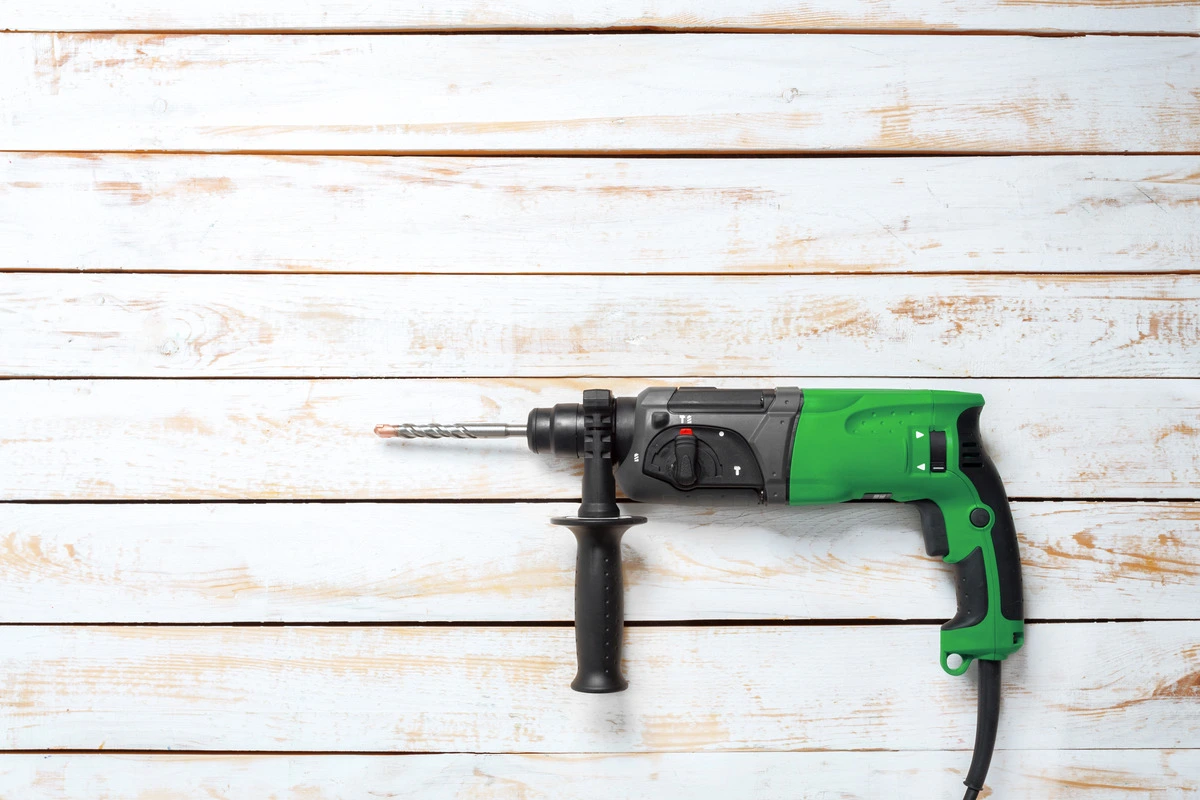
For many DIYers and homeowners, the moment of doubt whether they need a rotary hammer is all too familiar - in this case, the wrong tool can turn a quick weekend project into a frustrating grind. Rotary hammers look intense, and they often come with a higher price tag, which makes you second-guess the purchase. But when you're dealing with tough materials like concrete or masonry, using the wrong drill can mean wasted time, burned-out motors, or half-finished holes.
In this guide, we’ll clear up the confusion by answering the questions about rotary hammers so you can decide whether it’s time to upgrade your toolkit or stick with what you’ve got.
What Is a Rotary Hammer and How Is It Different from a Hammer Drill?
Rotary hammers and hammer drills are both used to drill into hard surfaces, but the way they operate is quite different.
- Hammer Drill: It is like an everyday drill with a bit of an ‘attitude’. It uses a mechanical clutch to add a rapid-fire tapping motion to the spinning action. This makes it a decent choice for light masonry like brick or mortar. Basically, it vibrates its way through with the enthusiasm of someone poking a hole in drywall with a fork.
- Rotary Hammer: This is the power tool equivalent of a wrecking ball in a business suit. It uses a piston-driven mechanism to deliver actual hammer blows, like, real thumping power. It doesn’t just shake the bit, it drives it through concrete like it owes it money.
Bottom line? If you’re hanging a picture on a brick wall, the hammer drill will do the trick. If you’re taking on concrete slabs, stone, etc., it’s time to bring out the rotary hammer, the heavy hitter with zero patience for resistance.
Do I Need a Rotary Hammer for Drilling Into Concrete?
Whether you’ll need a rotary hammer depends on how often and how deep you plan to drill. Are you just drilling a couple of polite holes, or are you about to declare war on a concrete wall?
You’ll benefit from a rotary hammer if:
- You’re drilling multiple holes in concrete or stone
- You need to drive anchors into basement walls or concrete slabs
- Your project requires deep holes or larger diameter bits
- You plan to do any tile removal or chiseling
On the other hand, a hammer drill might be just fine if you’re:
- Only drilling one or two shallow holes
- Working with brick, mortar, or lightweight concrete
- Handling small tasks once or twice a year
Many people begin with a hammer drill but find it ineffective when used on harder materials or for repeated tasks. In contrast, a rotary hammer handles those jobs with ease, reducing both the time and physical effort required.
Is a Rotary Hammer Overkill for Homeowners?
While rotary hammers were once the exclusive domain of pros in hard hats and tool belts that cost more than your rent, today’s SDS-Plus models are surprisingly DIY-friendly. They're lighter, easier to handle, and don’t require a construction degree.
What surprises many homeowners is how versatile a rotary hammer becomes after the first use. A tool purchased for a single project often ends up being used repeatedly for drilling, chiseling, demolition, and more.
In fact, many people realize that they’ve been struggling unnecessarily with hammer drills when a rotary hammer would’ve completed the same task faster and with less wear on the user.
What Size Rotary Hammer Should I Get for DIY?
Rotary hammers come in a few sizes, but for home projects, SDS-Plus models are probably all you need.
- SDS-Plus: The go-to choice for DIYers as it can handle holes up to 1 inch in concrete without turning your arms to jelly. Lightweight, compact, and not terrifying to operate.
- SDS-Max: Big, beefy, and built for serious demolition work. Unless your idea of a weekend project involves tearing up a concrete runway, you can probably skip this one.
When shopping for your new favorite tool, look for features that make life easier:
- Variable speed control: sometimes you want power, and sometimes you want precision.
- Chisel mode: essential if you plan on taking out tile, knocking off old mortar, or doing some "light destruction therapy."
- Anti-vibration design: your wrists will thank you.
- Cordless compatibility: if you're already loyal to a battery system (DeWalt, Milwaukee, Makita), stick with the family.
In short: go SDS-Plus and let the tool do the hard work.
Can a Rotary Hammer Be Used for Anything Other Than Concrete?
Rotary hammers are the multitaskers of the power tool world and with the right attachments, your rotary hammer can do much more than just punch holes in concrete.
You can also use it for:
- Removing tiles
- Breaking up small sections of brick, stone, or concrete
- Digging compacted soil with a spade bit
- Chipping away mortar or plaster
- Removing old anchors or bolts
And if your model has a hammer-only mode, it turns into a mini demolition machine. No spinning, just pure thumping chaos, perfect for controlled destruction.
Rotary hammers go way beyond concrete - they're basically a gateway tool to bigger, messier, and oddly enjoyable DIY adventures.
How Much Does a Good Rotary Hammer Cost?
Rotary hammers range in price depending on size, power, and brand.
- $100–$200: Most corded SDS-Plus models fall within this price range. Great for weekend warriors who want to drill a few holes without selling a kidney.
- $200–$400: Here you have higher quality cordless options with serious power and battery life. These are for folks who take their DIY projects very seriously.
- $400+: SDS-Max and pro-grade beasts. Unless you’re building bunkers or moonlighting as a demolition contractor, you probably don’t need to go this far.
Pro tip: If you're already committed to a major brand, look for a bare tool, meaning no battery or charger included. This can save you money if you already own compatible batteries and chargers.
And keep an eye out for combo kits, they often include cases, chisel bits, and other goodies that’ll make you feel like a pro, even if you're just redoing your bathroom floor.
What Are the Best Rotary Hammers for DIYers?
If you’re ready to upgrade your toolkit and feel like a pro (without actually hiring one) here are some of the most recommended rotary hammers:
🔹 Bosch Bulldog Xtreme SDS-Plus (Corded)
Known for durability and performance, this corded tool is a great entry into rotary hammers.
🔹 DeWalt DCH273B (Cordless)
Compact, powerful, and well-balanced. Great for home use and compatible with DeWalt’s 20V battery system.
🔹 Milwaukee M18 Fuel SDS-Plus (Cordless)
Offers serious power and performance for heavier jobs, with excellent runtime and build quality.
Each of these models offers a good balance between power and usability for non-professional users. You can also check other manufacturers and types of hammers.
Should I Rent or Buy?
If your need is one-time only, renting tools might make sense. Most tool rental stores offer rotary hammers for $30–$50 per day.
However, if you're planning multiple projects or doing a renovation that involves concrete, tile, or masonry, buying a rotary hammer usually pays off quickly. You'll save on rental costs, avoid time pressure, and be better equipped for future tasks.
If you’re eyeing multiple projects or diving into a full-on renovation involving concrete, tile, or masonry, buying your own rotary hammer usually pays off faster. You'll save on rental costs, avoid time pressure, and be better equipped when inspiration strikes again.

Cordless vs Corded: Which Way Should You Go?
When choosing a new tool, one of the big questions is whether to go ‘corded’ or cordless, and like in the most good debates, the answer is: it depends.
Corded Tools
Pros:
- Unlimited runtime: plug in and drill all day, no battery swaps
- Typically more powerful for extended or heavy-duty use
- Lower price than equivalent cordless models
- Lighter weight (no battery to carry around)
Cons:
- You're tethered to an outlet, which can be annoying for outdoor or ladder work
- You may need long extension cords
- Less portable: not ideal for tight or remote spaces
Best for:
Stationary projects, workshops, or budget-conscious buyers who don’t mind dragging a cord around.
Cordless Tools
Cordless models have come a long way. Thanks to brushless motors and powerful lithium-ion batteries, cordless tools now equal corded ones in most everyday tasks.
Pros:
- Total mobility: work anywhere, even where outlets fear to go
- Fast setup and breakdown: no cords to drag, untangle, or trip over
- Many brands offer interchangeable batteries across tools
Cons:
- Limited runtime: depending on battery size (and how much concrete you’re chewing through)
- Higher cost, especially if you need to buy batteries and a charger
- Heavier (those big batteries add some bulk)
Best for:
DIYers with multiple projects around the house, professionals who need flexibility, or anyone working in tricky locations (think rooftops, attics, or out in the yard).
So... Which Should You Choose?
If you're mostly doing heavy-duty work or sticking close to a workshop outlet, corded is still a reliable and cost-effective choice, especially for rotary hammers.
If you're a weekend warrior, mobile contractor, or already invested in a battery system, cordless tools give you the freedom to move and the power to handle almost any DIY challenge.
For those who plan to use the tool only occasionally or for short, light-duty jobs, a corded tool may still be the better value. You’ll get all the power you need without investing in batteries you rarely use.
Pro tip: For hammer drills, cordless is often enough. For rotary hammers, cordless models are great, but go corded if you expect long sessions, heavy loads, or want to avoid battery swapping mid-job.
What Are SDS Models, Anyway?
If you’ve been shopping for rotary hammers, you’ve probably seen terms like SDS-Plus or SDS-Max. Here's what that means, in simple terms.
SDS stands for Slotted Drive System. It’s just a special way the drill bit locks into the tool. Instead of tightening the chuck like on a regular drill, SDS bits click into place, making it faster and easier to change bits. They also hold more securely and help the tool hit harder when drilling into tough materials like concrete.
There are two main types:
- SDS-Plus: This is the most common type for home use. It’s smaller, lighter, and perfect for jobs like drilling into walls or floors.
- SDS-Max: This is the big, heavy-duty version. It’s used by pros for larger holes or demolition work.
So if you're a DIYer doing general home projects, SDS-Plus is what you want. It’s easy to use and powerful enough for almost any work around the house.
Final Verdict: Do You Need a Rotary Hammer?
If your DIY adventures stick to wood, drywall, or the occasional light masonry job, you’re probably fine with a good hammer drill. A hammer drill will be more versatile for general household tasks.
But if your home has concrete walls, patios, or slabs, or you’re planning a basement reno, tiling job, or anything involving anchors and demolition, then a rotary hammer isn’t just a good idea: it’s a sanity-saver. You’ll drill faster, straighter, and with way less frustration.
For the right projects, a rotary hammer isn’t overkill - it’s a game changer.